Sissoo Trees in Arizona: The Good, the Bad and the Ugly.
Sissoo trees (Dalbergia sissoo) grow quickly and provide welcome shade across Greater Phoenix, but their aggressive roots and persistent suckering can create expensive problems when the tree is planted near patios, pool decks, walls, irrigation lines or neighboring properties.
A well-placed Sissoo with adequate clearance may be manageable with monitoring and appropriate pruning. A tree producing repeated root sprouts, lifting hardscape or conflicting with underground infrastructure needs a more careful plan. Cutting the trunk or major roots without considering the remaining root system can make the sucker problem harder to control.
This guide explains the benefits, risks and warning signs so you can decide whether your Sissoo should be maintained, professionally evaluated, or considered for removal.
Already seeing sprouts or lifted hardscape? Explore B&C’s Sissoo inspection and removal options.
What Is a Sissoo Tree?
The Sissoo tree, sometimes called Indian Rosewood, belongs to the Fabaceae family and thrives in warm climates. In recent years, it’s been widely planted in the southern United States — especially Arizona, California, and Texas.
Its key characteristics:
Fast growth rate: Can grow 3–5 feet per year.
Height: Mature trees reach 40–60 feet tall.
Appearance: Deciduous leaves with a beautiful, light canopy; somewhat symmetrical, upright shape.
Wood: Extremely durable and used for high-end furniture and flooring.
Why People Love the Sissoo Tree
1. Shade and Cooling Benefits
Sissoo trees grow quickly and form a dense canopy, making them one of the most efficient shade trees available. In hot, arid climates, this makes a significant difference in cooling down homes, parks, and streets.
In urban planning, Sissoos have been used to reduce heat islands — areas where temperatures are significantly higher due to concrete and asphalt.
2. Low Water Needs Once Established
Despite their leafy canopy, Sissoo trees are drought-tolerant once established. This is a major advantage in places like Arizona and California where water conservation is a priority.
3. Wind and Pollution Tolerance
Thanks to its strong root system and hardy wood, the Sissoo tree is wind-resistant and can survive in polluted urban environments. It's often planted along highways and busy streets for this reason.
4. Ecological Benefits
As a legume, Sissoo is a nitrogen-fixing tree. This means it naturally enriches the soil by converting atmospheric nitrogen into a usable form for plants. It also provides habitat for birds and insects and contributes positively to biodiversity.
5. Aesthetic Appeal
Its light green, glossy leaves and upright growth give it a neat, elegant look. Homeowners often favor it for front yards or avenues, where its beauty and symmetry can shine.
Difficulties the Sissoo Tree
Despite these positives, the Sissoo has a dark side that’s caused plenty of frustration among homeowners, landscapers, and even city governments.
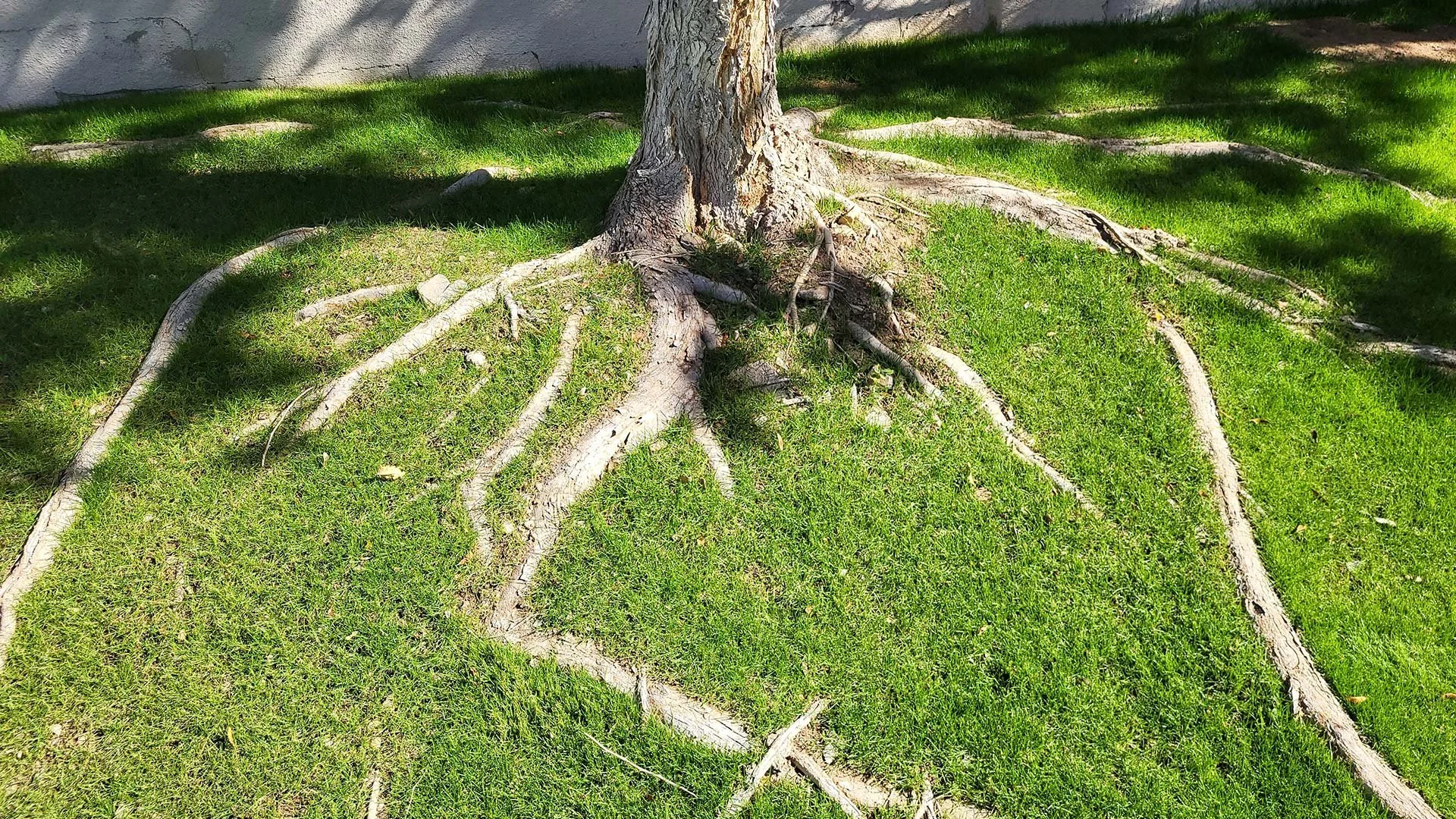
Sissoo tree base showing it’s shallow root system protruding above ground and coming through the grass.
1. Invasive Root System
The number one complaint about Sissoo trees is their aggressive, shallow root system. These roots can:
Crack sidewalks and driveways
Damage home foundations
Uplift patios, walls, and pavement
Invade septic tanks and water pipes
Even trees planted 15–20 feet away from structures can cause issues over time.
2. Suckering and Spreading
Sissoo trees are known for producing suckers — shoots that pop up from the roots, often several feet away from the main tree. These shoots can rapidly spread, leading to an unwanted “forest” of Sissoo if not constantly pruned.
In some communities, this suckering habit has caused them to be labeled “invasive” or “nuisance” plants.
Seeing Sissoo Sprouts or Movement in Nearby Hardscape?
The right response depends on the tree’s location, root activity, surrounding structures and what has already been cut. B&C can help determine whether continued maintenance, root management or complete removal is the most practical next step.
B&C serves Greater Phoenix and the East Valley. Completed tree-service projects are subject to B&C’s $750 minimum crew deployment.
3. Rapid Growth = Constant Maintenance
While their fast growth is appealing at first, it also means Sissoo trees require:
Regular pruning (at least once or twice a year)
Clean-up of fallen leaves and twigs
Structural maintenance to prevent breakage
Neglected Sissoo trees can grow unstable or become top-heavy, posing safety risks during storms or high winds.
4. Allergy Concerns
Although not extremely allergenic, Sissoo trees can trigger allergies due to their pollen and shedding leaves. The issue is compounded when planted in dense urban areas.
5. Bans and Legal Battles
Some cities have gone as far as banning the planting of Sissoo trees or encouraging their removal from residential areas. In Scottsdale, Arizona, for example, the city received dozens of complaints and legal threats over Sissoo-related property damage.
Case Studies: Where Sissoo Trees Went Wrong
Residential Nightmare in Arizona
A homeowner in Phoenix shared that a single Sissoo tree planted in the front yard sprouted more than 50 suckers in neighboring yards. Despite cutting the tree down and applying herbicide, the roots continued to send up new shoots for two years.
Municipal Headaches
Some city planners once saw Sissoos as a perfect shade solution. Now, they face expensive removal and infrastructure repairs after Sissoo roots damaged sidewalks, sewage lines, and curbs.
Sissoo Tree Alternatives
If you love the idea of a fast-growing shade tree but want fewer headaches, consider these alternatives:

Chitalpa
Hybrid of Catalpa and Desert Willow
Drought-tolerant, medium-sized
Attractive flowers, non-invasive roots

Desert Museum Palo Verde
Native to the Southwest
Gorgeous yellow flowers
Deep roots, little maintenance
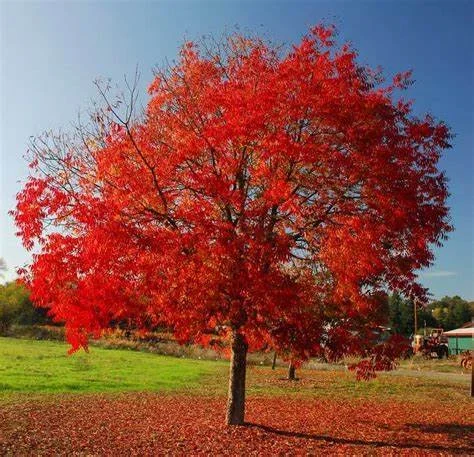
Chinese Pistache
Brilliant fall color
Moderate growth rate
Low maintenance and non-invasive

Texas Ebony
Dense evergreen foliage
Great for privacy and shade
Slow growing but low-risk
Tips for Managing Existing Sissoo Trees
If you already have a Sissoo tree (or several), here’s how to keep them under control:
Routine pruning: Keep the canopy light and balanced to reduce breakage and suckering.
Remove suckers early and regularly.
Avoid overwatering: Encourages further root spread and sucker growth.
Professional help: Consult with certified arborists who specialize in root management.
Is the Sissoo Tree Right for You?
Ultimately, the answer depends on your specific context.
If you have the space and time to manage it well, the Sissoo tree can be an asset. But for many homeowners, its root aggression and suckering habit simply aren’t worth the risk.
Conclusion: Beauty or Beast?
The Sissoo tree embodies a classic landscaping dilemma: function vs. control. It grows rapidly, offers shade, and thrives in tough conditions — but it does so at a cost.
Whether it's loved for its benefits or hated for its complications, the Sissoo tree teaches an important lesson in landscaping: always do your homework before planting. What seems like a quick solution may turn into a long-term challenge.
Not Sure Whether to Maintain or Remove Your Sissoo?
You should not have to choose a service before understanding the problem. B&C can evaluate the tree, visible root activity, nearby hardscape and site access, then explain whether maintenance, root management or removal is the most practical option.