

greater Phoenix and the east valleyTree Trimming & Pruning Services With Instant Estimates & Complimentary Assessments
Keep the shade you value and address branches that are getting in the way. Explore your pruning options, then talk with B&C about the work your tree needs. 5-Star tree care for over 30 years.

LOCAL EXPERIENCE. PROFESSIONAL STANDARDS.
Clear recommendationsUnderstand the recommended scope and available options before authorizing work.
Certified arborist expertiseGuidance shaped by tree health, risk, structure, and long-term value.
Licensed, bonded & insuredProfessional protection for work around your home or property.
Emergency readinessA clear next step when wind or storm damage cannot wait.

Start with your tree
Pruning options for your tree.
A “trim” can mean very different work. Start with the problem you want to solve, then match the approach to the tree. The crown is its canopy of branches and leaves.
Simplified illustrations show selected changes, not a prescribed amount to remove. Your tree may need a different approach.
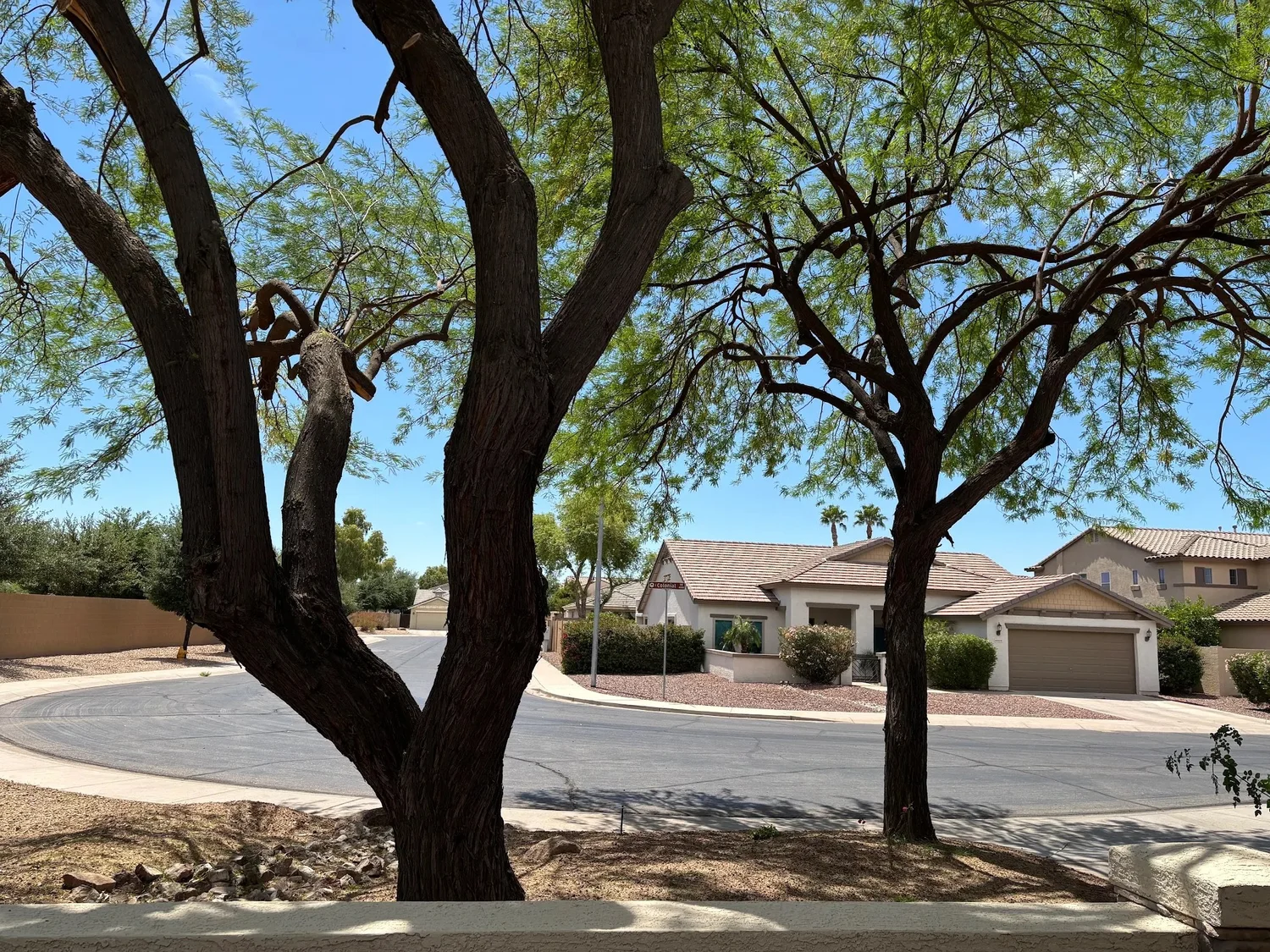
Guide a young tree’s growth
Competing upright stems can develop weak connections. Structural pruning guides the branch framework by shortening or removing selected growth. Small, early corrections can reduce the need for larger cuts later. The tree’s natural form guides the plan.
Clear a path beneath branches
When low branches block a walkway or driveway, crown raising removes selected lower branches for clearance. Identify the space needed and retain branches that can stay. Removing the entire lower canopy can sacrifice useful foliage and shade.
Bring an extending limb back
For a limb reaching toward a roof, crown reduction shortens it to a suitable side branch. Topping leaves stubs or undersized side branches and risks decay and stress. Reduction retains a growing branch, but cannot make every oversized tree fit its site.
Address crowded outer growth
Selective crown thinning removes chosen branches, usually near the canopy’s outside, for a purpose such as admitting light. Interior branching remains. Density alone is not a problem: leaves supply the tree’s energy, so routine thinning is not appropriate for every tree.
Deal with dead branches
A dead branch over a frequently used area can call for deadwood removal without a heavy trim of living growth. Assess dead or damaged wood separately from optional shaping, and investigate the cause when a tree is declining.
A closer look
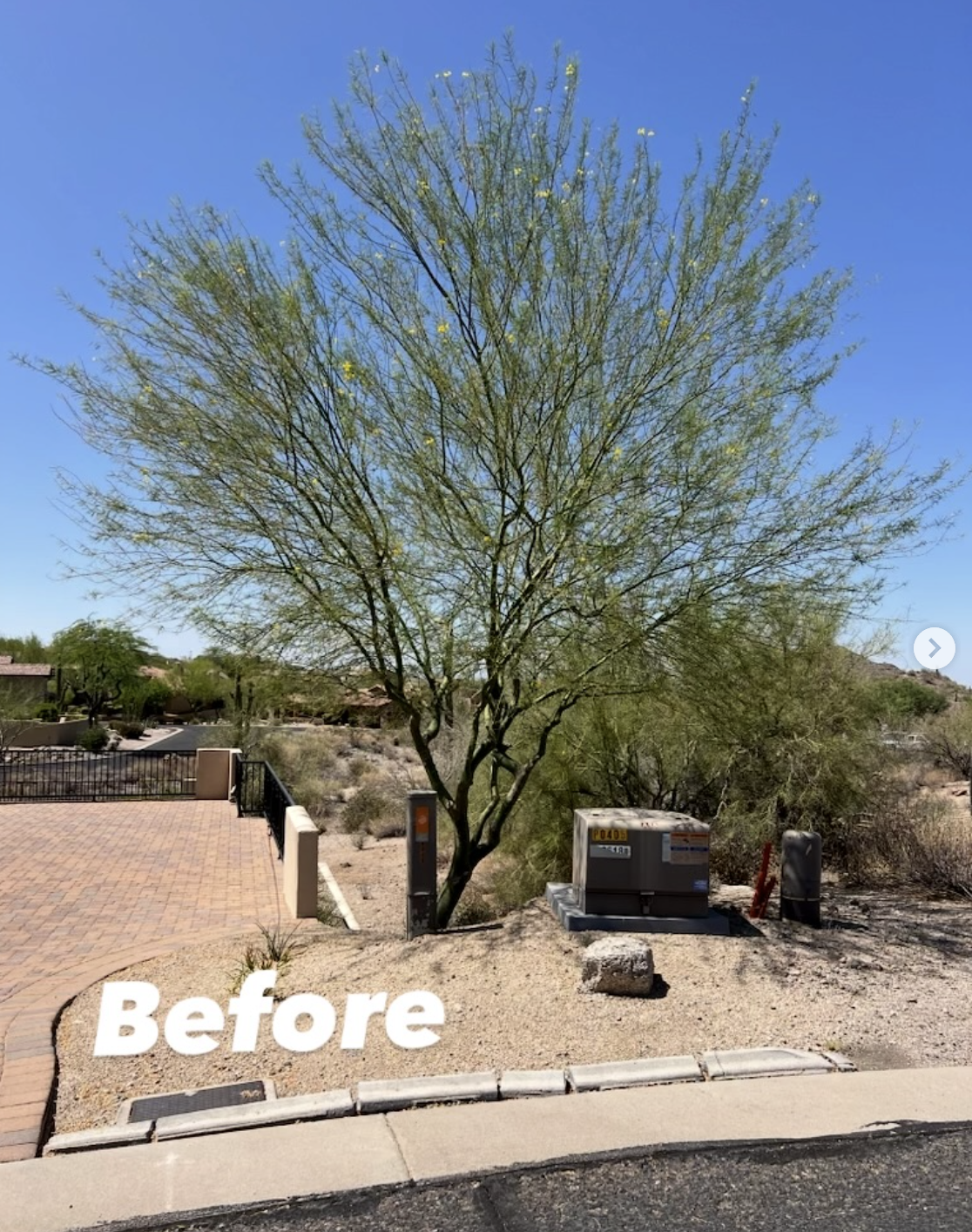
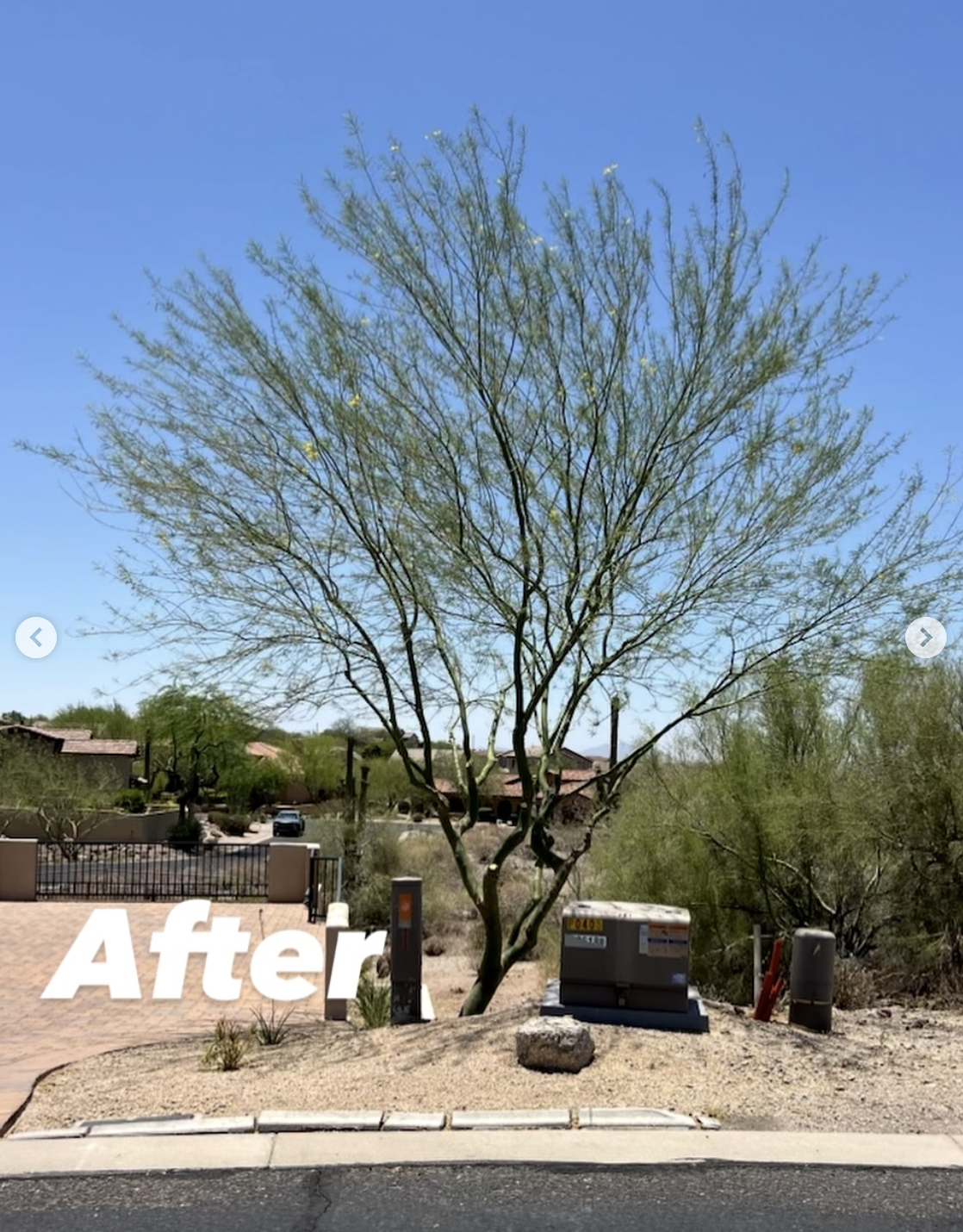
Before and after pruning.
A customer’s experience
“Thank you B&C! We are so happy with your work!”Barbara Haley · Mesa, Arizona
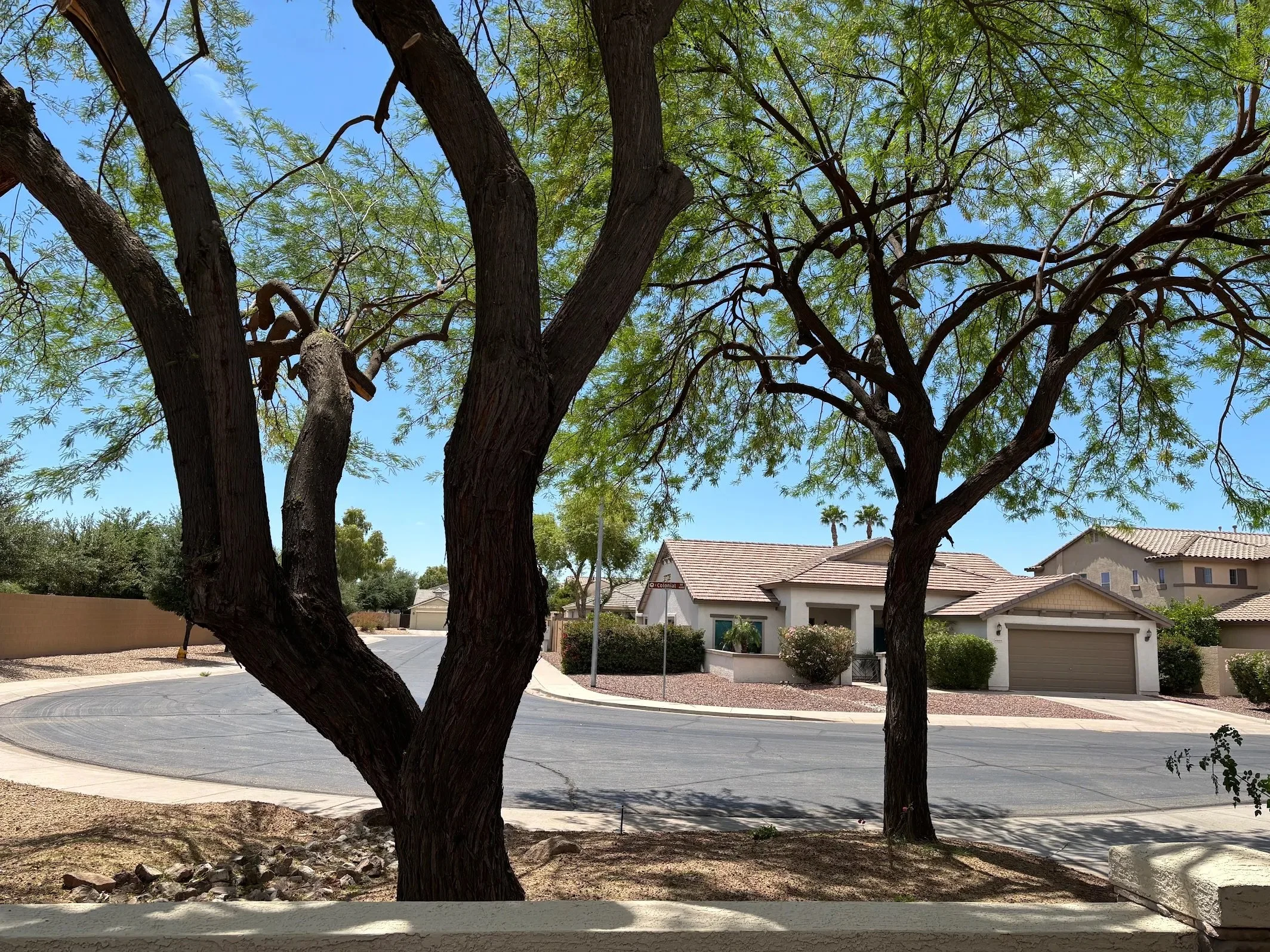
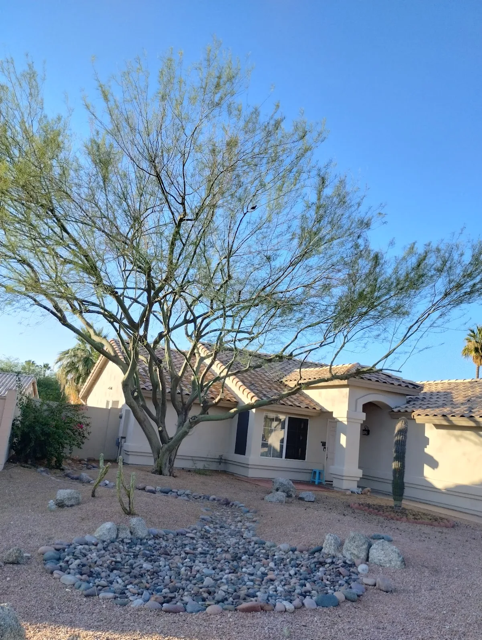
The entrance-side tree has a more open appearance after pruning, with its branching more visible and foliage retained across the canopy.
Before the first cut
A pruning plan for your property.
Prescriptive pruning means turning a goal into a specific plan for the tree. A useful recommendation names the branches or areas to address, the type of work and its limits. It should explain what to retain as well as what to remove.
B&C is owned by Alex and Jess Carey and serves homeowners across Phoenix and the East Valley.
Meet B&C’s owners and team Request My Free InspectionAgree on the objective
Show us the clearance problem, the shade you want to keep or the branch that concerns you. Bring any written HOA notice so the proposed work can address the actual request.
Check what the tree can tolerate
Species, condition and previous pruning affect the recommendation. Discuss the effect on living foliage and sun exposure, whether work should wait or happen in stages, and concerns that pruning cannot resolve.
Put the scope in writing
Your written quote should identify the trees, pruning objective and agreed work, including cleanup and hauling. Confirm those details before approving the work.
Plan the budget
What affects pruning cost?
Similar-sized trees can require different amounts of work. The pruning goal, canopy growth and access help determine the price.
- Size and growthA broad or crowded canopy can take more time to work through.
- Species and conditionThorns, deadwood and previous pruning can affect the work involved.
- Access and surroundingsGates, roofs and pools affect equipment access and how branches are lowered.
- Scope and cleanupThe number of trees and the agreed pruning and hauling determine what your quote covers.
Trimming projects have a $750 minimum. Your inspection is complimentary; the minimum applies to paid tree work.
Estimate My Trimming CostUse the calculator for a planning range. A property assessment and written quote establish the work and price.
Common questions
Questions about pruning
When should trees be pruned in Arizona?
Timing follows the species, condition and purpose of the work. A damaged branch may need attention sooner than optional shaping. A weak tree may need less pruning or a delay after producing spring foliage. Before removing live growth, consider how much bark will lose shade in Arizona’s summer sun.
Citrus is a useful example. University of Arizona Extension recommends February through April for routine pruning of desert-grown citrus, with a later start in cooler areas. Citrus generally needs little pruning and does not need routine thinning to let light into the interior. Preserve canopy shade on the trunk and branches; newly exposed wood needs sun protection. Significant summer pruning is generally discouraged, though damaged limbs may need attention sooner.
Read Extension’s citrus pruning guidanceHow can I keep shade and avoid over-pruning?
Identify the shade you value before choosing cuts. Heavy leaf removal reduces the tree’s energy supply. Avoid topping and “lion-tailing,” which strips interior branches and leaves foliage concentrated at the ends. That shifts weight outward and can expose bark to sunburn. A responsible plan keeps useful foliage and explains each change; it does not apply one removal percentage to every tree.
Read ISA’s guidance on mature treesCan you help with an HOA request?
Share the written notice or guidelines during the inspection so we can discuss the requested clearance and proposed work. Confirm any approval requirements with your HOA before work begins.
Request an inspectionLet’s take a look at your tree.
Leave your contact details and we’ll follow up to arrange a complimentary inspection. Sending a request doesn’t confirm an appointment.
Paid trimming work has a $750 minimum. Your inspection is complimentary.
Explore local tree care across the Valley.
Phoenix Gilbert Scottsdale & Paradise Valley Mesa
“This is, by far, the best, most professional tree trimming job that I’ve ever had done. There is no part of the entire operation that could have been better. I thank the entire crew and recommend them wholeheartedly.”
ISA-Certified Tree Trimming Methods for Your Arizona Trees
-
Prescriptive Pruning
Certified arborists thin inner branches of Palo Verdes and Mesquites to let high winds pass safely. We never lion-tail (which removes interior foliage and raises breakage risk). This thinning reduces uprooting during summer microbursts.
-
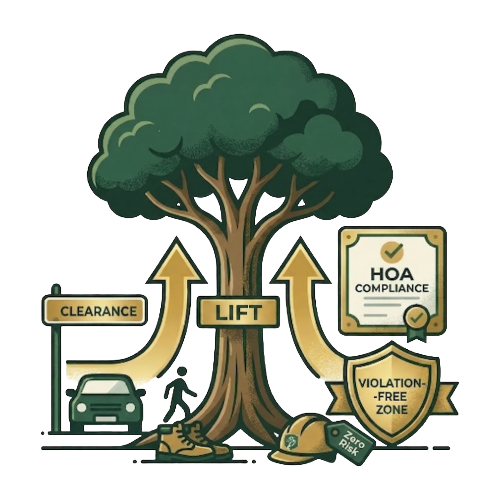
Crown Raising (Canopy Elevation)
We lift lower canopy branches to provide safe clearance for pedestrians, driveways, and traffic. This precise elevation keeps your property HOA-compliant while preserving the tree’s healthy structure and preventing violation notices.
-
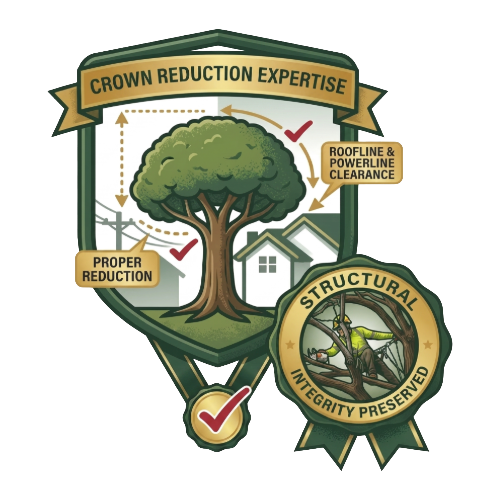
Crown Reduction
When a tree outgrows its space, we perform targeted crown reduction to safely reduce height and spread, keeping limbs clear of roofs and power lines. Unlike harmful "topping," our pruning preserves structure and appearance, preventing canopy encroachment while allowing trees to recover and thrive.
-
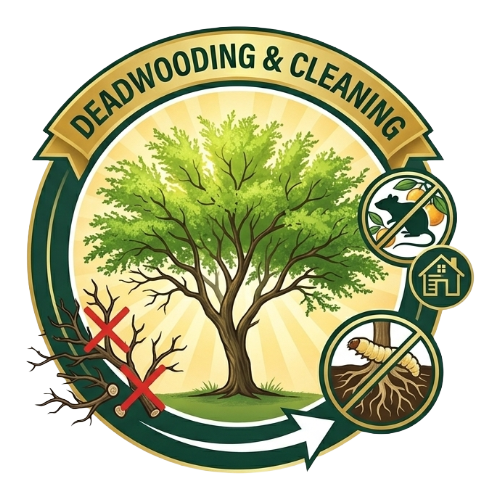
Deadwooding & Cleaning
We remove dead, diseased, and rubbing branches that sap tree health and invite pests. Clearing this decaying wood prevents infestations like Palo Verde root borers and stops roof rats from using mature citrus as a path to your attic. A clean canopy is key to a healthy, pest-free Valley landscape.