Taking Care of Your Trees Going Into the New Year
A Seasonal Guide to Healthier, Stronger Trees All Year Long
As the year comes to a close and a new one begins, many people focus on resolutions, home projects, and fresh starts. One important area that’s often overlooked is tree care. Trees are long-term investments in your property and environment, and how you care for them during the transition into the new year can have a major impact on their health, safety, and appearance for years to come.
Winter and early spring are critical periods for trees. Growth slows, leaves fall, and trees enter dormancy, but that doesn’t mean they don’t need attention. In fact, this is one of the best times to inspect, protect, and plan for your trees’ future.
We will cover everything you need to know about taking care of your trees going into the new year, including seasonal maintenance, pruning, soil health, storm preparation, and planning ahead for spring.
Why Year-End Tree Care Matters
Trees don’t operate on the human calendar, but seasonal changes strongly affect their growth cycles. Late fall through winter is when trees:
Enter dormancy
Conserve energy
Repair internal damage
Prepare for spring growth
Proper care during this period helps trees:
Recover from summer heat stress
Survive winter weather
Reduce the risk of disease and pests
Grow stronger and healthier in the coming year
Neglecting tree care can lead to broken limbs, disease spread, root damage, and costly removals later on.
Understanding Tree Dormancy
Dormancy is similar to hibernation. Deciduous trees shed their leaves, while evergreen trees slow their growth. During dormancy:
Energy is stored in roots
Sap flow is reduced
Trees are less vulnerable to pruning stress
This makes late fall and winter an ideal time for many types of tree maintenance, especially structural pruning and inspections.
Inspecting Your Trees Before the New Year
Before winter fully sets in, take time to walk your property and inspect your trees carefully.
What to Look For
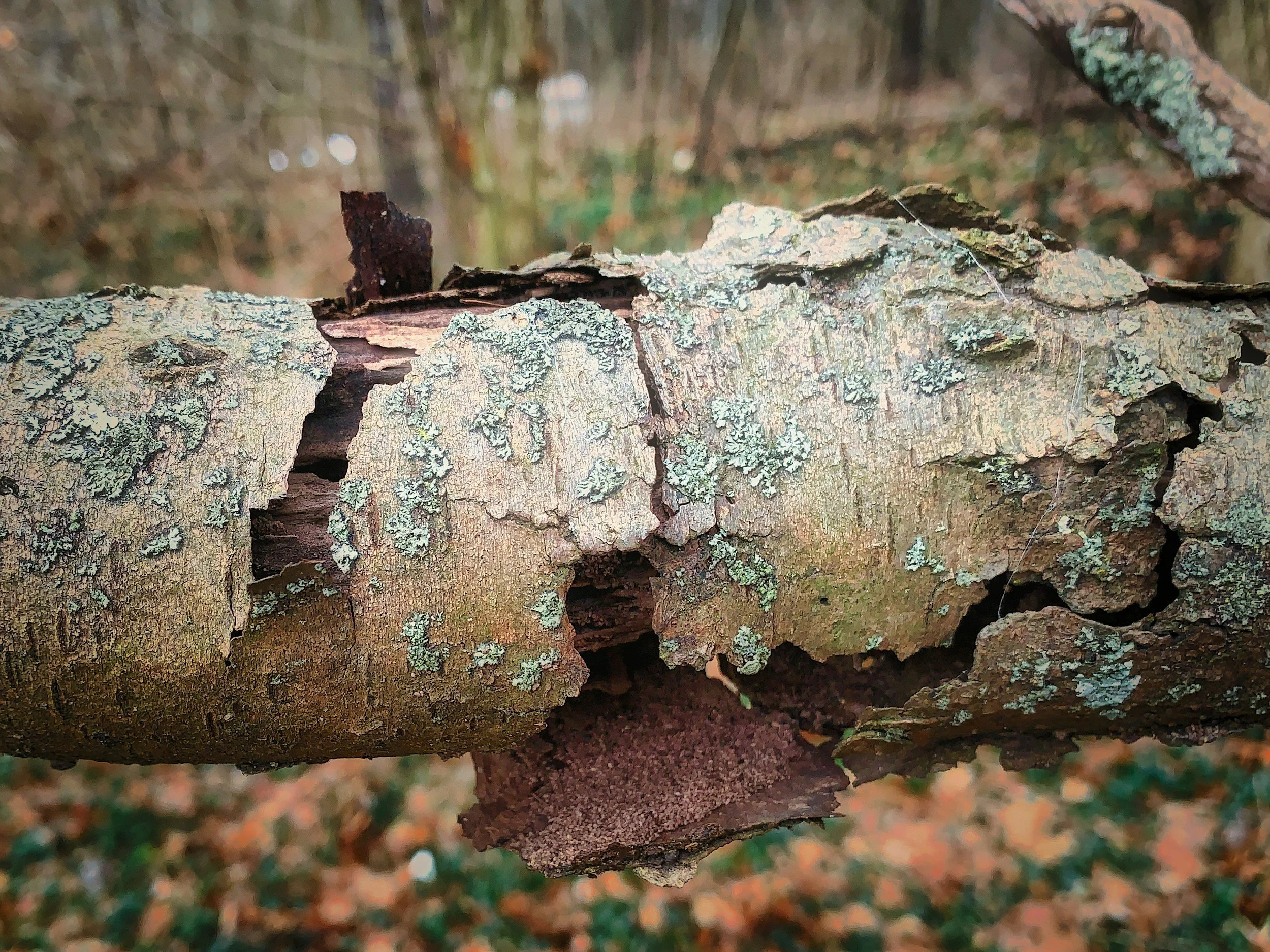
1. Dead or Dying Branches
Dead limbs are more likely to fall during storms or under snow and ice. Look for branches that:
Have no buds
Appear brittle or cracked
Lack bark
Are discolored
2. Cracks and Splits
Large cracks in the trunk or major limbs can worsen in freezing temperatures.
3. Leaning Trees
A tree that suddenly leans may have root damage or soil instability.
4. Signs of Disease or Pests
Fungal growth
Oozing sap
Holes in bark
Unusual leaf loss earlier in the season
Catching these issues early allows you to address them before they become serious hazards.
Pruning: One of the Best Winter Tasks
Why Winter Is Ideal for Pruning
Dormant-season pruning offers several benefits:
Reduced stress on the tree
Less sap loss
Clear visibility without leaves
Lower risk of spreading disease
Faster healing in spring
What Pruning Should Accomplish
Remove dead or broken branches
Improve tree structure
Reduce weight on weak limbs
Prevent branches from rubbing or crossing
Improve clearance from buildings and power lines
What Not to Do
Don’t over-prune (never remove more than 25% of a tree’s canopy)
Don’t “top” trees—this causes weak growth and long-term damage
Don’t prune during extreme cold snaps
Protecting Trees from Winter Weather
Winter weather can be harsh, especially in regions with freezing temperatures, snow, and ice.
Mulching for Insulation
Applying mulch around the base of trees helps:
Regulate soil temperature
Retain moisture
Protect roots from freeze-thaw cycles
Best practices:
Use organic mulch like wood chips or bark
Apply 2–4 inches deep
Keep mulch a few inches away from the trunk to prevent rot
Protecting Young and Newly Planted Trees
Young trees are especially vulnerable to winter damage.
Consider:
Tree wraps to prevent sunscald and frost cracks
Stakes for wind protection (remove in spring)
Burlap barriers for evergreens in windy areas
Watering Before the Ground Freezes
Even though trees need less water in winter, hydration before freezing temperatures arrive is crucial.
Water deeply in late fall, especially during dry autumns
Evergreens need particular attention since they lose moisture year-round
Well-hydrated trees are more resistant to cold damage
Once the ground freezes, watering becomes ineffective.
Soil Health: Setting the Stage for Spring
Healthy soil is the foundation of healthy trees.
Soil Testing
Late fall or winter is a good time to:
Test soil pH
Identify nutrient deficiencies
Plan amendments for spring
Fertilization Timing
Avoid heavy fertilization late in the year. Fertilizing too late can:
Encourage new growth vulnerable to frost
Disrupt dormancy
Instead, focus on:
Compost
Organic matter
Planning slow-release fertilizers for early spring
Wildlife and Tree Protection
Winter drives animals closer to trees for food and shelter.
Common issues include:
Deer rubbing antlers on trunks
Rodents chewing bark at the base
Birds nesting in weak limbs
Protective measures:
Tree guards
Hardware cloth around trunks
Repellents (used responsibly)
Damage to bark can disrupt nutrient flow and seriously harm trees if left untreated.
Planning Tree Care Goals for the New Year
The new year is the perfect time to plan ahead.
Questions to Ask Yourself
Are there trees that may need removal or replacement?
Do any trees pose safety risks?
Are there areas where new trees could be planted?
Should I schedule a professional tree inspection?
Creating a tree care plan helps spread costs and tasks throughout the year.
Choosing Trees for Future Planting
If planting is part of your new-year plans, winter is an excellent time to research and plan.
Consider:
Native species suited to your climate
Mature size and root spread
Sun and soil requirements
Disease resistance
Planting the right tree in the right place prevents future problems and reduces maintenance.
The Environmental Benefits of Healthy Trees
Caring for your trees isn’t just good for your property—it’s good for the planet.
Healthy trees:
Improve air quality
Reduce stormwater runoff
Lower energy costs
Support wildlife
Increase property value
By investing time in tree care now, you’re contributing to a healthier environment in the year ahead.
When to Call a Professional Arborist
While basic care can be done by homeowners, certain situations require expert help:
Large or tall trees
Trees near power lines
Structural instability
Severe disease or pest infestations
Major storm damage
Arborists have the training and equipment to care for trees safely and correctly.
Common Tree Care Mistakes to Avoid
As you move into the new year, avoid these common pitfalls:
Ignoring small problems until they become big ones
Over-pruning or improper cuts
Piling mulch against the trunk
Using spikes or nails in trees
Planting trees too deeply
Small mistakes can cause long-term damage, so proper techniques matter.
Creating a Year-Round Tree Care Calendar
To stay organized, consider a simple annual tree care schedule:
Winter
Inspect
Protect from cold
Spring
Fertilize
Plant new trees
Monitor pests
Summer
Water deeply
Mulch
Watch for stress
Fall
Inspect
Water
Prepare for dormancy
This approach keeps tree care manageable and effective.
Start the New Year with Stronger Trees
Trees are living investments that grow more valuable with time when they are properly cared for. Taking the time to inspect, protect, and plan for your trees as the new year approaches sets them up for success in every season that follows.
Whether you’re pruning, mulching, watering, or simply observing, each small action contributes to healthier, safer, and more beautiful trees.
A little care now goes a long way, into the new year and beyond.